
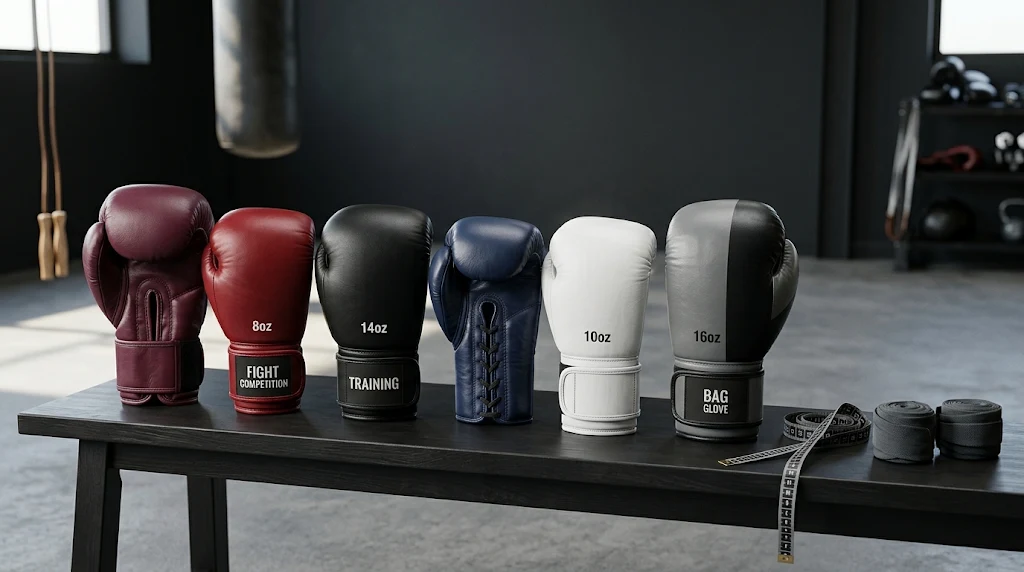
Avoid Costly Mistakes: How to Choose Boxing Gloves 10 Tips
How to Choose Boxing Gloves: A Step-by-Step Guide (and the Costly Mistakes to Avoid)
Choosing the right boxing gloves matters more than picking a pair that looks good. The wrong gloves affect your comfort, technique, wrist support and whole training experience. With so many options, even experienced boxers can find it confusing.
When you buy gloves, you weigh hand size and glove weight, plus padding, material and the training you do. Not every glove suits every kind of training. Some are designed for heavy bags and others for sparring, and getting this wrong leads to discomfort and wasted money. This guide walks you through the decision step by step.
Quick answer: how to choose boxing gloves?

Weigh up training purpose, glove weight, hand size, padding, wrist support and material. For general training, many people use 12–14 oz, while 16 oz or more is common for sparring. Let your training and fit decide, not looks or brand. Beginners should prioritise a secure fit and good protection for the wrists and knuckles.
Table of Contents
The 7 Things to Check How to Choose Boxing Gloves Before You Buy
- Purpose: pad work, heavy bag, sparring or general training.
- Ounces: match weight to your activity, body size and gym rules.
- Hand size: measure and compare with the maker’s chart.
- Hand wraps: the glove must fit comfortably over them.
- Padding: ample, even knuckle cushioning.
- Wrist support: a secure closure system.
- Material and comfort: good construction, lining and a comfortable fit.
Pro tip: never choose gloves by weight alone. The best pair fits your hands properly and gives suitable protection for your training.
Step 1: How to Choose Boxing Gloves Know the Types of Boxing Gloves
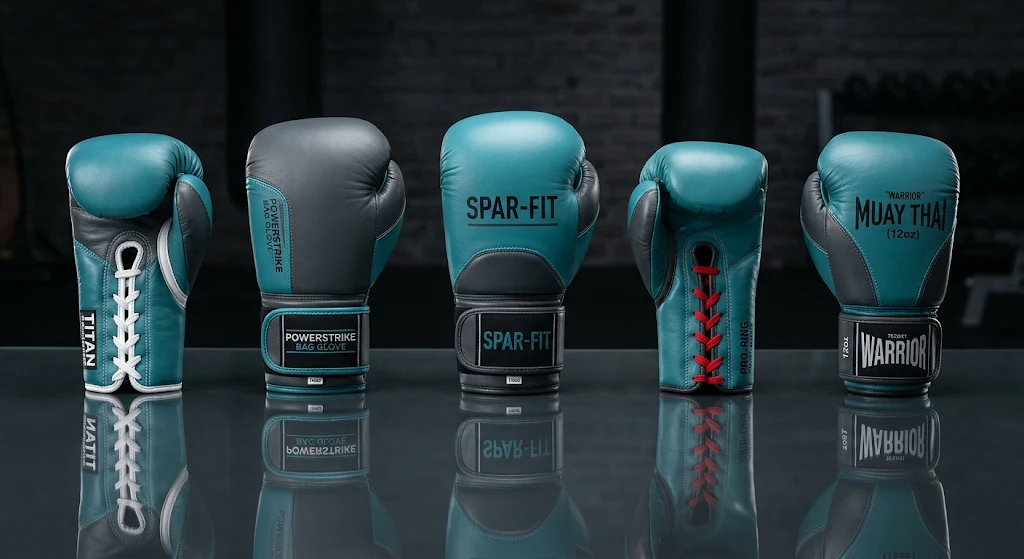
- Training gloves: versatile, with a balance of padding, wrist support and comfort. Good for general workouts, beginner sessions, pad work and light to moderate bag work. A practical single pair for new boxers.
- Heavy bag gloves: thicker knuckle padding for striking heavy bags and equipment. Look for proper padding, wrist support, comfortable hand positioning and durable construction. You don’t necessarily need a separate pair if your training gloves suit bag work.
- Sparring gloves: built for partner practice, with padding distributed to reduce impact on a partner. Check your gym’s requirements first. 16 oz is often required, but the weight can change with body size, rules and coaching. See our sparring gloves guide.
- Competition gloves: must meet the event’s requirements, which can change the weight, padding and equipment allowed in amateur and professional bouts. Don’t assume training gloves are approved.
- Muay Thai gloves: built for the demands of Thai boxing and kickboxing, with more flexibility around the hand and palm for catching kicks and clinching. See our Thai boxing gloves guide.
Step 2: Choose the Glove Weight
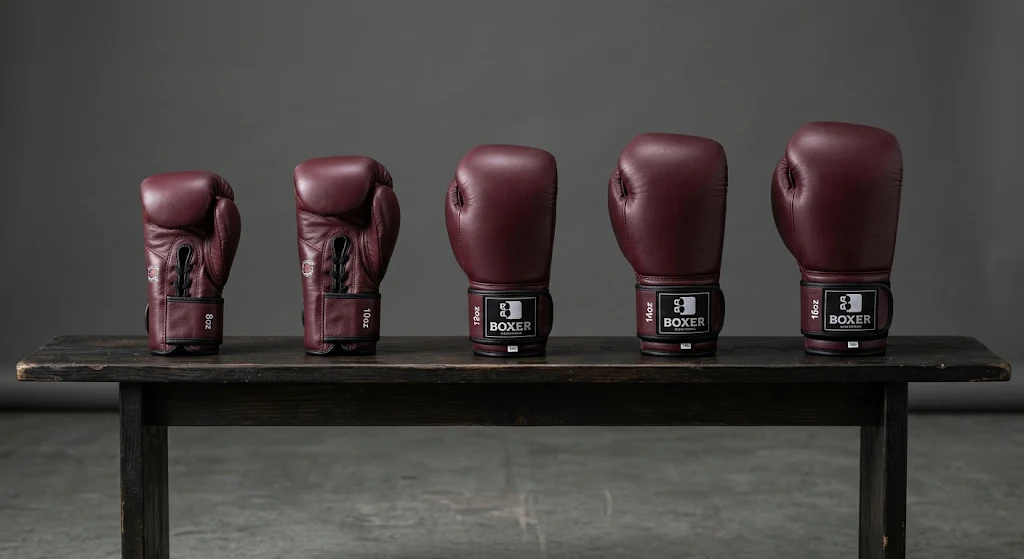
Weight is measured in ounces and reflects the glove’s overall weight, including padding. It describes weight, not hand size, so two gloves with the same rating can fit differently. Heavier isn’t automatically better for everyone.
| Weight | Common uses |
| 8 oz | Certain competition formats, allowed by the governing body |
| 10 oz | Competition formats, some bag and pad work (usually less padding) |
| 12 oz | Bag work, fitness boxing and pad work |
| 14 oz | General training and bag work |
| 16 oz | Sparring and general training |
Use this as a general guide. Body weight, hand size, intensity, competition rules and your gym all matter, and body weight shouldn’t be your only deciding factor.
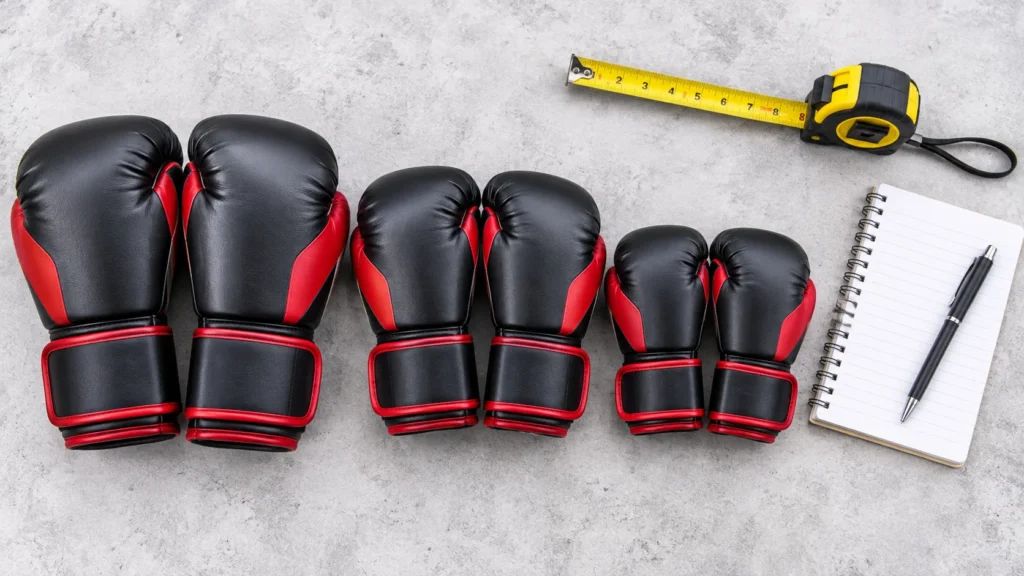
- 8 oz: lighter and tied to certain competition formats, so not usually ideal for everyday training or sparring.
- 10 oz: seen in competition and workable for some pad and bag routines, though with less padding than heavier training gloves. 10 oz guide
- 12 oz: more padding than 10 oz and lighter than heavier gloves, so a good fit for beginner training, bag work, fitness boxing and pad combos. They may not suit partner drills if your gym is strict. 12 oz guide
- 14 oz: a more all-round option covering bag work and drills. 14 oz guide
- 16 oz: commonly used for sparring and general training, with padding to cushion blows. A good choice if your gym requires it for sparring, you want a common training weight or your coach recommends it. 16 oz guide
Step 3: How to Choose Boxing Gloves Measure Your Hand
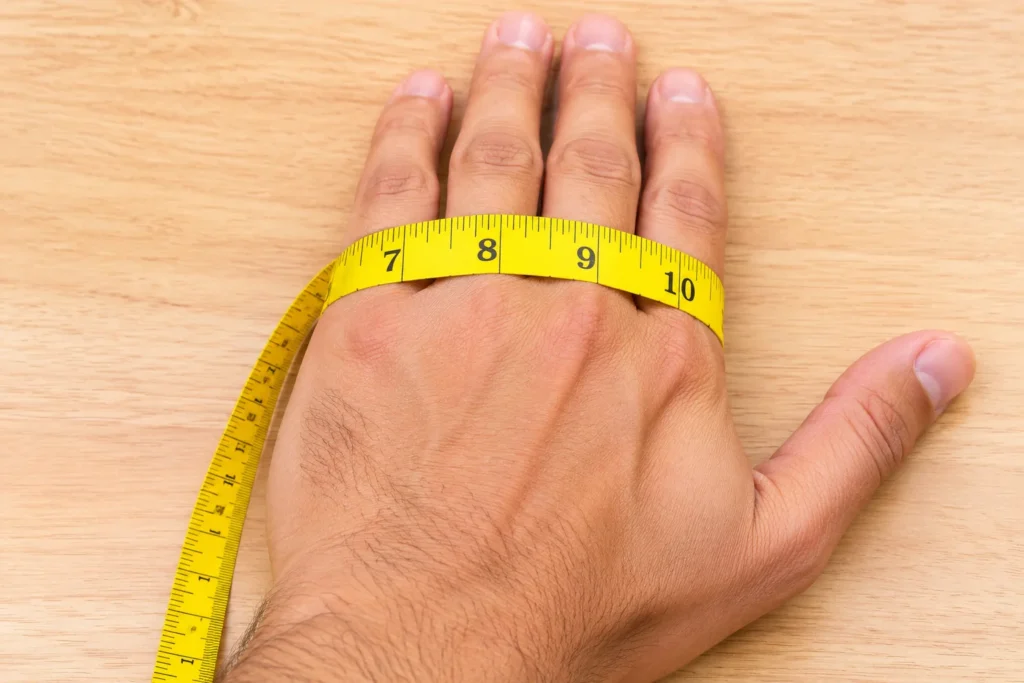
- Open your dominant hand naturally.
- Wrap a flexible tape around your knuckles, excluding the thumb.
- Keep it snug, not tight.
- Record the measurement.
- Compare it with the maker’s size chart.
How to Choose Boxing Gloves dimensions vary between manufacturers, so use the brand’s own chart. Many brands recommend sizes by hand circumference, others mainly by weight, and no universal chart applies to every brand. A general guide: small hands suit a compact internal fit, medium hands a standard fit and large hands a roomier compartment. A heavier glove won’t automatically give more hand space, since internal dimensions depend on construction and brand.
Step 4: Check the Fit With Hand Wraps
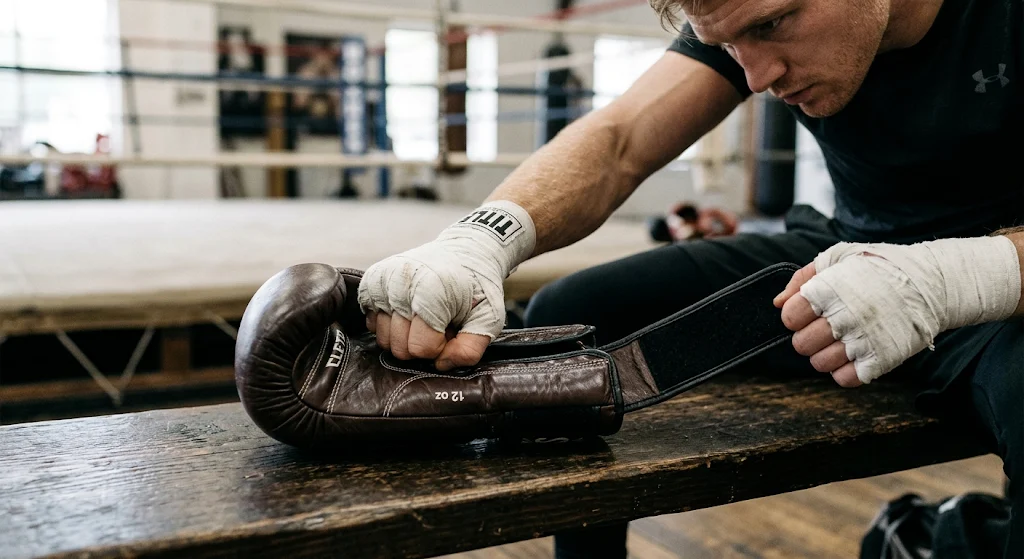
Properly fitting gloves feel secure and comfortable. Your fingers should reach the end of the compartment without being painfully compressed, your thumb should rest naturally, and the wrist should feel supported when fastened. Check that:
- Fingers don’t feel cramped.
- The thumb sits comfortably.
- The palm doesn’t slide too much.
- The wrist is stable.
- You can make a fist comfortably.
Test with your wraps, because they take up space. If how to choose boxing gloves fit perfectly without wraps but get too tight with them, you may need a different internal size. A thumb compartment that keeps your thumb natural and helps maintain a natural fist is a good sign, and gloves that force your thumb into an awkward angle are one to skip. The inner lining touches your wraps and skin, so look for smooth material, comfortable stitching and room for wraps.
Step 5: Match the Glove How to Choose Boxing Gloves to Your Training
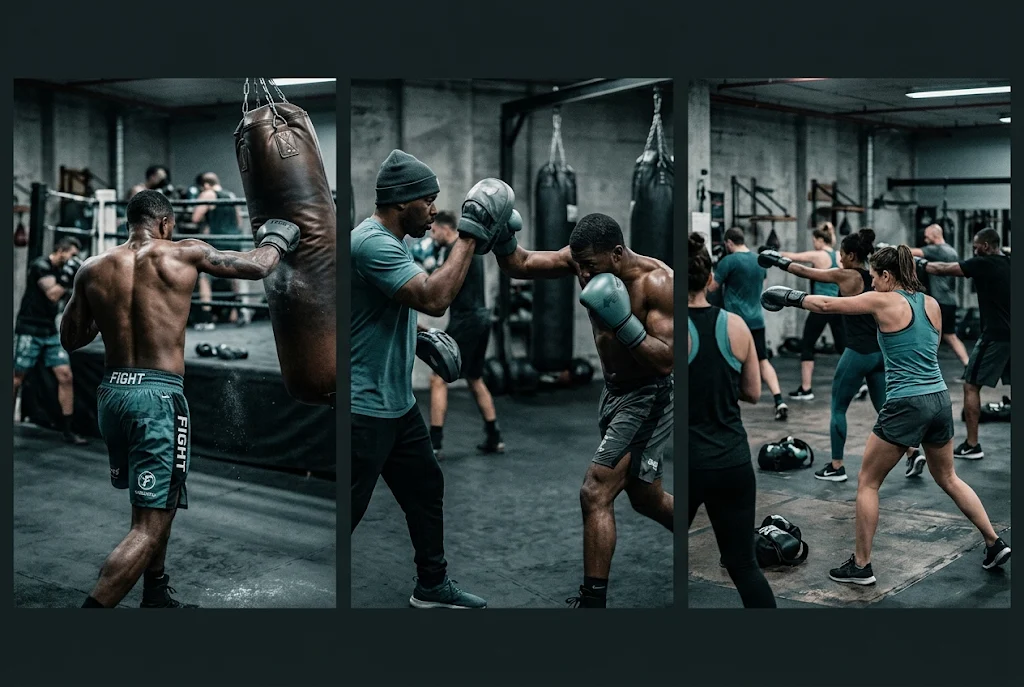
- Heavy bag: extra knuckle cushioning, wrist support, a durable outer and good hand positioning, with no excess pressure on the knuckles. See our boxing bag and gloves guide.
- Sparring: even padding, a secure fit and a fully supported wrist, with your gym’s weight and design rules followed.
- Pad work: speed, accuracy and combinations. Pick a comfortable glove that lets you keep a natural fist. Don’t sacrifice protection for a lighter feel.
- Fitness boxing: a secure fit and breathable construction, since long sessions get sweaty, with enough protection for your workouts.
- Beginners: good wrist and hand cushioning and an overall good fit. A versatile training glove suits learning basics, and your coach can confirm weight.
Step 6: Check Padding and Knuckle Protection
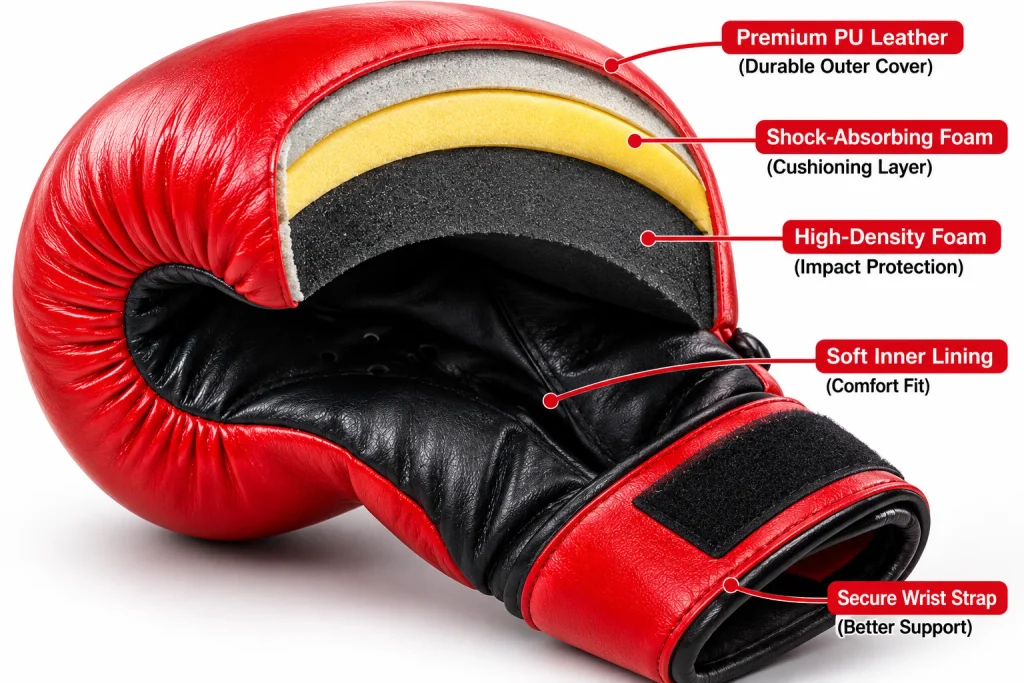
Padding absorbs impact during a punch, but not all padding is built the same. Common types include layered or molded foam, multi-layer foam combinations that balance comfort and durability, and some gloves with added elements such as gel that change how impact disperses [check the maker’s description]. Look for gloves that:
- Cover the knuckles evenly.
- Keep your hand comfortably positioned.
- Don’t show compressed or uneven padding.
- Hold their structure over time.
How much padding you need depends on your activity, glove weight and gym requirements. Thicker padding gives more protection in sparring, while some bag gloves have less. More padding isn’t automatically better, and it can protect less if the glove doesn’t fit properly.
Step 7: Check Wrist Support and Closure How to Choose Boxing Gloves
Wrist support helps stable punching, and a closure that allows too much movement is irritating during training.
| Lace-up | Hook-and-loop (Velcro) | |
| Putting on and taking off | Hard to do alone, slower to secure | Easy to do alone |
| Best for | Traditional or competition-oriented use | Solo and everyday training |
| Adjustability | Highly adjustable | Varies by design |
| Watch out for | Needs a partner for a full tighten | Strap durability varies |
Hook-and-loop is often more convenient for beginners, but strap quality and wrist construction matter more than the closure style alone. To check stability, fasten the glove as you would in training. The wrist should feel supported with no restriction of movement, and you shouldn’t have to over-tighten the strap.
Step 8: How to Choose Boxing Gloves Choose the Material
Material affects durability, upkeep, feel and price.
- Genuine leather: prized for feel and a premium look, and with good care it can last a long time. Quality varies, and leather generally needs more careful maintenance.
- Synthetic leather (such as polyurethane): usually less costly, easier to maintain and available in many styles, so a practical option for beginners. Durability depends heavily on the quality of the material and construction.
Neither material guarantees a longer life on its own. Stitching, padding, maintenance and training frequency all affect durability. Breathability matters too, since gloves warm up and get damp. Mesh panels, perforations or moisture-managing linings may improve comfort, but they don’t replace drying your gloves after training. Cheap materials can reduce protection and effectiveness, so look for supportive wrists, adequate padding and a good fit.
Choosing by Experience Level How to Choose Boxing Gloves
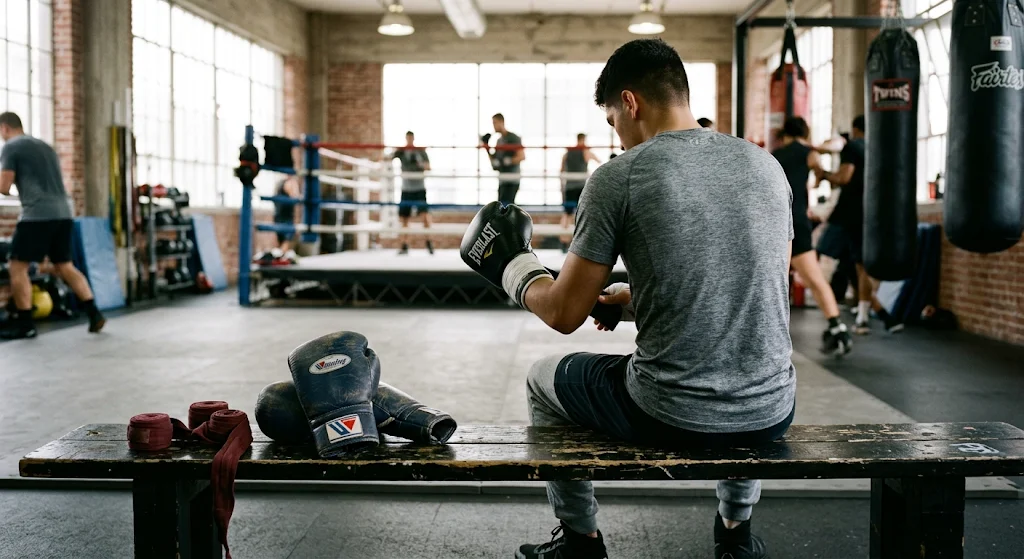
- Beginners: a versatile glove with a comfortable fit, adequate padding, secure wrist support, an easy closure and durable construction. Avoid highly specialised gloves before you understand your routine.
- Intermediate boxers: you probably know your preferred activities. Compare padding density, the shape of the hand compartment, wrist support, material quality and training-specific construction. Separate bag and sparring gloves may make sense now.
- Experienced boxers: you likely have preferences for shape, weight distribution, padding and wrist support, and may need different gloves for competition, sparring and equipment training. Follow your needs and the relevant regulations.
How to Choose Boxing Gloves 5 Costly Mistakes to Avoid
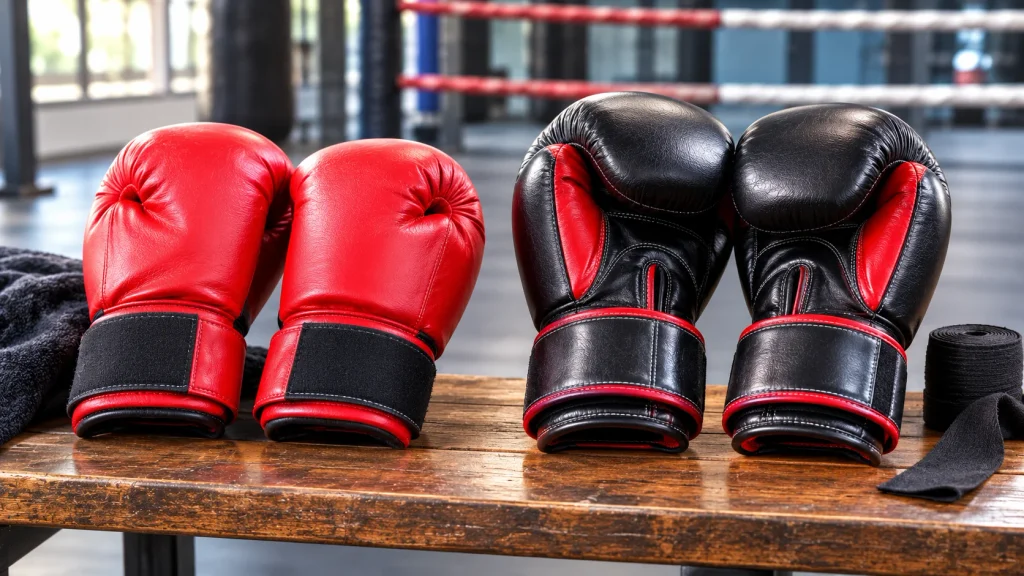
- Choosing the wrong weight. Don’t buy gloves because they’re popular or suit someone with a different body size and routine. Check your coach’s requirements and the glove’s intended purpose.
- Ignoring hand wraps and fit. Wraps add a layer, so check fit with the wraps you’ll use.
- Buying on appearance. Colours and designs can create false confidence. Evaluate construction, padding and support first.
- Ignoring wrist support and padding. Poorly placed padding makes training uncomfortable, so inspect both before buying.
- Using sparring gloves on the heavy bag. Repeated bag use wears padding differently. Use gloves suited to each activity and follow the maker’s guidance.
How Much Should You Spend?
Gloves come at different price points, and the right budget depends on how often you train, your experience and the features you need. Construction and materials vary, so price alone doesn’t tell the story.
- Budget: can suit beginners or occasional trainers. Check stitching, padding and construction.
- Mid-range: often balances comfort, durability and useful training features, and suits people who train regularly.
- Premium: may offer higher-quality materials, refined construction, specialised padding and more carefully designed hand compartments. They can be worthwhile for frequent boxers, but a higher price doesn’t guarantee a better fit.
Expensive gloves are worth it only if their features genuinely improve your training. Consider fit, protection, construction and use before price. See our boxing gloves for sale guide.
How to Care for Your Gloves

- Take gloves out of your gym bag after training so moisture doesn’t build up.
- Wipe the exterior with a barely moist cloth, then a dry cloth to remove excess moisture.
- Open the wrist straps for airflow and let the gloves air-dry completely in a well-ventilated place.
- Don’t soak them or use harsh cleaners, and don’t use direct heat, radiators or hair dryers, which damage material and padding.
- To reduce odour, use fresh hand wraps, dry gloves after every session, keep your bag ventilated and use suitable deodorisers if needed.
When to replace gloves
Replace them when padding is flat or lumpy, stitching is torn, straps are damaged, the inner layer is exposed or comfort is lost. Don’t use gloves with obvious padding loss, especially for sparring.
Final Verdict How To Choose Boxing Gloves
Start with what you’ll use the gloves for, then weigh hand size, body size and budget. Beginners should look for wrist support and enough padding for practice. For heavy bag work, protect your knuckles. For sparring, follow your gym’s rules and choose gloves with good cushioning.
Weight isn’t the only factor. Hand wraps, the glove’s inner fit, your training and personal comfort all count. Compare several pairs and pick the one that suits your needs and budget, not the most attractive or the cheapest.
What is the difference between training gloves and heavy bag gloves?
Training gloves are designed for general boxing workouts, including pad work and light to moderate bag training. Heavy bag gloves are specifically designed for punching bags and typically focus on knuckle cushioning, wrist support and durability.
Can I use regular boxing gloves for sparring?
Not every pair of regular boxing gloves is suitable for sparring. Sparring gloves should have appropriate cushioning and follow your boxing gym’s requirements. Always check with your coach before using a particular pair.
How do I measure my hands for boxing gloves?
Use a flexible measuring tape to measure the circumference of your dominant hand around the knuckles, excluding your thumb. Keep the tape snug without pulling it too tightly, then compare your measurement with the manufacturer’s sizing chart.
Should I try boxing gloves on with hand wraps?
Yes. Hand wraps add extra material around your hands and knuckles, so gloves that feel comfortable without wraps may become too tight when you wear them. Always check the fit with your usual hand wraps.
What type of boxing glove padding should I look for?
Look for evenly distributed padding that comfortably covers your knuckles and maintains its protective structure. Foam, multi-layer foam and gel-infused designs are common options, but proper fit and intended training use are equally important.
Are lace-up or Velcro boxing gloves better?
Lace-up gloves provide an adjustable fit but can be difficult to put on without assistance. Velcro-style gloves are generally more convenient for beginners and independent training. The quality of the wrist support matters more than the closure type alone.
Are genuine leather boxing gloves better than synthetic leather gloves?
Genuine leather gloves can offer a premium feel and may last well with proper care. Synthetic leather gloves are often more affordable and easier to maintain. Durability depends on material quality, stitching, construction and how frequently you train.
Can I use Muay Thai gloves for traditional boxing?
Muay Thai gloves are designed for activities such as clinching and catching kicks, so their construction can differ from traditional boxing gloves. They may be suitable for some boxing workouts, but choose gloves that match your training requirements.
How can I keep boxing gloves from developing unpleasant odours?
Remove your gloves from your gym bag after training, wipe their exterior with a suitable cloth and allow them to air-dry in a well-ventilated place. Fresh hand wraps and a ventilated gym bag can also help reduce moisture build-up.
When should I replace my boxing gloves?
Consider replacing your gloves when the padding becomes flat or uneven, stitching starts to tear, wrist straps become damaged or the inner material becomes exposed. Gloves that have lost their protective structure should not be used for training.
One Comment